
Omega Constellation Observatory Watch Revives Its Peak Glory
Vintage elegance meets cutting-edge precision. Before the Speedmaster landed on the Moon and long before the Seamaster became James Bond’s go-to watch, Omega already had a true modern flagship — the Constellation collection.

The Golden Era of the Constellation
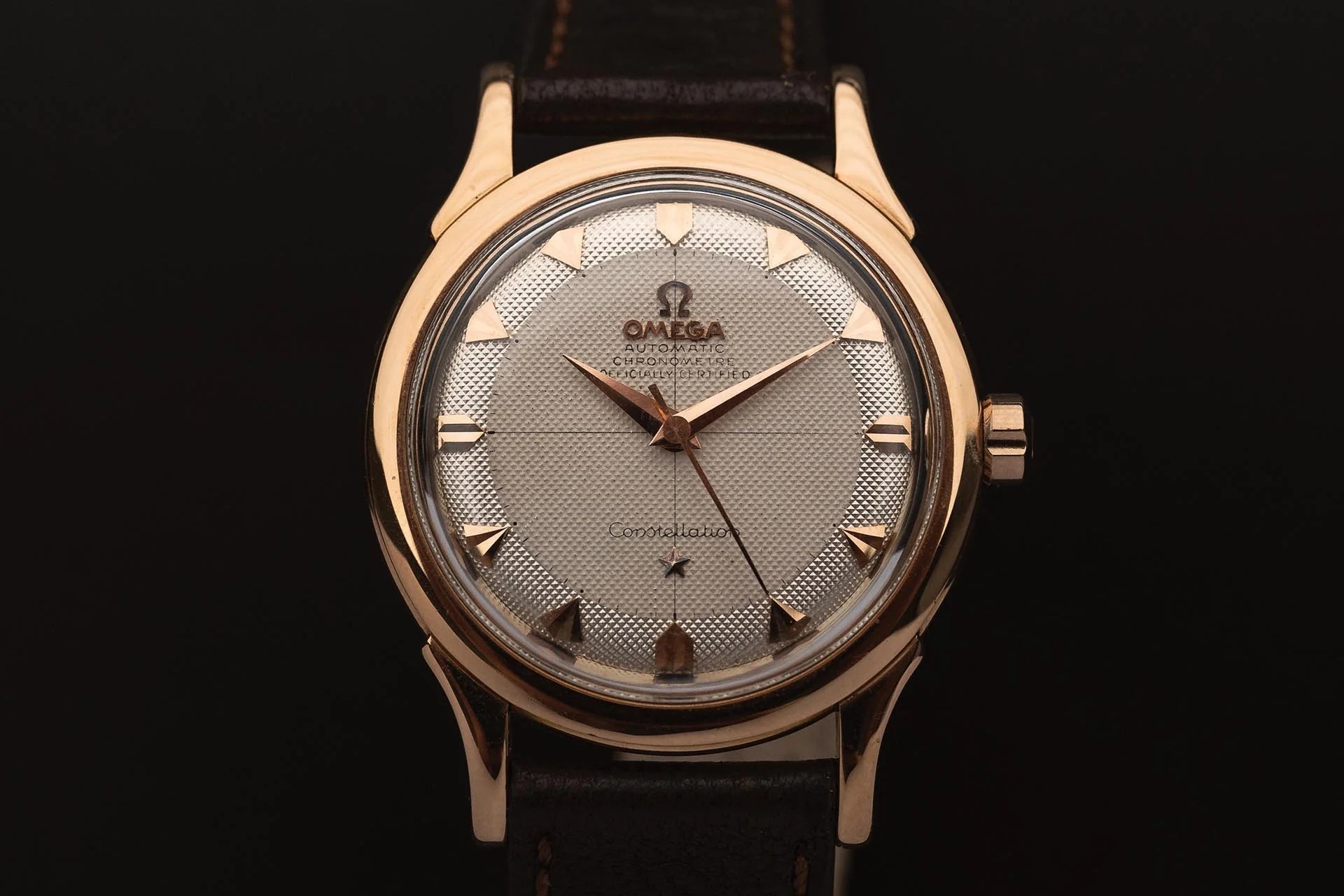
Launched in 1952, the Constellation became Omega’s first modern flagship timepiece. Its design was inspired by the 1948 Centenary model, created to mark the brand’s 100th anniversary. Focused on precision timing, it was the quintessential dress watch of its time.
The caseback featured a golden medallion with an observatory emblem topped by eight stars. These stars represented two world precision records and six championship titles that Omega achieved between 1933 and 1952 at the Kew-Teddington Observatory in Britain and the Geneva Observatory.

In the 1950s and 1960s, the Constellation was so iconic that many people simply called it “the Swiss watch.” It stood as the ultimate symbol of Swiss craftsmanship and accuracy. If you wanted a top-tier timepiece back then, a Constellation was a safe and prestigious choice — even Elvis Presley was one of its biggest fans.
A New Chapter for a Legendary Collection
For over half a century, the Constellation (affectionately nicknamed “Connie” by collectors) has remained part of Omega’s lineup, but its prominence had gradually faded, overshadowed by the Speedmaster and Seamaster collections.
Before this release, Omega offered two distinct Constellation lines: the integrated-bracelet Manhattan-style models from the 1980s and the more modern Constellation Globemaster. Both were excellent, yet they never quite recaptured the pure classic appeal of the original 1950s designs.
That changes now.
Omega has introduced a third and very special line to the family: the Constellation Observatory. It brings back the most beloved design elements from the vintage Constellation while introducing groundbreaking new precision technology.
Explore the full Omega collection at EW Watches
Classic Design Elements Return
At first glance, the new Constellation Observatory looks like a genuine 1950s or 1960s vintage piece — and that’s exactly the intention. Omega has revived two of the most recognizable features from the golden era:
-
The 12-sided pie-pan dial
-
The elegant beveled “dog-leg” lugs
While the Globemaster previously featured a pie-pan dial and dog-leg lugs appeared on a limited Seamaster, this is the first time since 1977 that both iconic elements have been combined in a regular production model.
The watch keeps the signature Constellation star emblem at 6 o’clock, while the observatory medallion now sits proudly on the rotor, visible through the square sapphire caseback.
The pie-pan dial feels even more authentic than previous versions. The minute track has been moved to the raised central area, and Omega has added delicate hand-guilloché texture to the faceted sections — a detail first seen on Constellation models in 1953.
Discover all Constellation models here

Refined Details That Make the Difference
This is no mere retro reissue. The new Constellation Observatory combines vintage charm with modern refinement:
-
Hands & Markers: Vintage models used kite-shaped hands and dauphine markers. The new version features elegantly elongated sword-shaped hands that perfectly match the dial’s geometry. The dial is exceptionally clean — no date window and no seconds hand.
-
Case Finishing: Fully polished case with specially treated dog-leg lugs (vertically brushed sides with polished chamfers). The lugs create beautiful light reflection and are a true highlight.
-
Dimensions: 39.4 mm diameter, 12.23 mm thickness (case body only 8 mm), and 47.2 mm lug-to-lug. It wears slightly larger than the numbers suggest.

A Historic Certification Milestone
The Constellation Observatory is the first dual-hand (no seconds) watch in history to achieve Master Chronometer certification.
To make this possible, Omega developed a revolutionary new acoustic testing method in its independent Precision Laboratory. Instead of relying on seconds-hand tracking, the lab records every tick of the escapement over 25 days while monitoring temperature, position, and pressure. This breakthrough technology has already tested over 200,000 watches.
The movement inside is the new Co-Axial Master Chronometer Calibre 8915 (or 8914 on select models), featuring a Moonshine™ Gold rotor and balance bridge on the luxury versions, twin barrels, and other high-end finishing.
Available Versions and Pricing
The Constellation Observatory launches with nine references:
Precious Metal Models (on leather straps):
-
18K Moonshine™ Gold – $59,100
-
Platinum – $57,800
-
Canopus Gold™ White Gold – $44,000
-
Sedna™ Rose Gold – $37,900
O-MegaSteel Models:
-
Green, Blue, and Silver dial versions on leather – $10,900 each
-
Black ceramic pie-pan dial version – $12,200 (the standout aesthetic of the collection)
One full Moonshine™ Gold version is also available on a newly designed brick-pattern mesh bracelet.
Final Thoughts
The Constellation has always had a glorious history, yet for years it played second fiddle to the Speedmaster and Seamaster. With the new Constellation Observatory, Omega has finally restored the collection to its rightful place as a true flagship.
It delivers stunning vintage-inspired looks paired with the latest in precision technology. If you love classic dress watches with modern performance, this is one of the most exciting Omega releases in recent years.



Share:
Rolex Watches & Wonders 2026 Predictions: Is the Milgauss 70th Anniversary Triumphant Return at Hand? Full Titanium Tool Watch Line Upgrade – Which Icons Face Discontinuation?
Breaking Rolex Watches & Wonders 2026 Rumors: New Yacht-Master Chronograph, Day-Date Updates, and Mysterious 'Off Catalogue Rockets'?