
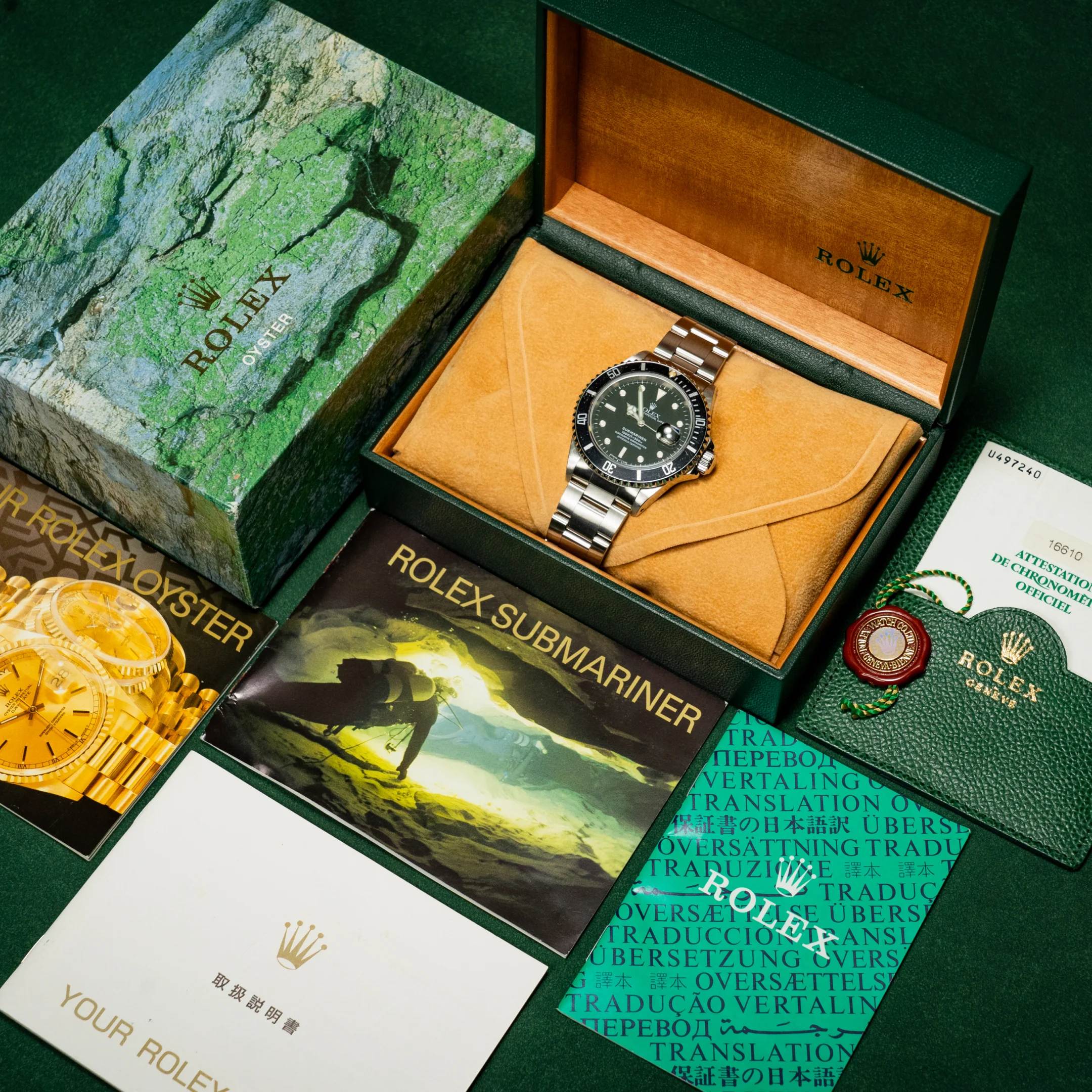
If you’re considering a pre-owned luxury watch, you’re making a smart move—and you’re in good company. Recent industry reports predict that by 2026, the pre-owned watch market in Europe and North America will outpace the growth of the new watch segment, with analysts forecasting the global secondhand watch sector to surpass $35 billion in value this year. In fact, more than 60% of new buyers under 35 say they would prefer to buy pre-owned rather than brand new, driven by a focus on value, sustainability, and access to rare models.

With greater transparency, improved authentication services, and a vibrant global community, buying a pre-owned watch today is more secure and rewarding than ever before. Whether you’re hunting for an iconic Rolex Submariner, a vintage Omega Speedmaster, or simply want the most value for your investment, the secondhand market is brimming with opportunity.
This guide will walk you through everything you need to know as a beginner—from spotting a genuine bargain to avoiding common pitfalls—so you can join the ranks of watch lovers making smart, future-proof choices.
1. Understanding the Pre-Owned Watch Market
The pre-owned—or "certified pre-owned"—watch market has evolved into a mainstream and reliable avenue for acquiring luxury timepieces. But what does “pre-owned” actually mean? In essence, any watch that has previously been purchased or worn—even briefly—qualifies as pre-owned. This includes pieces from owners, estate sales, specialized dealers, auction houses, and renowned online marketplaces.
So, why choose pre-owned? First, the financial advantage: most pre-owned watches cost an average of 30–50% less than their retail price, making luxury much more accessible. The secondhand market also offers access to discontinued references, rare vintage pieces, and models with unique character developed over decades—something money simply can’t buy “new.” For many, buying pre-owned isn’t just a saving, it’s an opportunity for true collecting and personal expression.

According to a 2025 Boston Consulting Group industry survey, over 62% of luxury goods shoppers are open to purchasing secondhand, with watches and jewelry leading in desirability. For young buyers, buying pre-owned aligns with values of sustainability and circular consumption, making it a “future-forward” way to participate in horology.
Another key reason: unlike most consumer items, certain luxury watches hold or even increase their value over time—especially coveted brands like Rolex, Omega, and Patek Philippe. For investors and enthusiasts, the secondary market is where new journeys—and sometimes new fortunes—begin.
2. Getting Ready: Essential Tips Before Your First Purchase
Diving into the pre-owned watch world is exciting, but preparation is crucial. Here are the absolute basics to consider before you click ‘buy’ or visit your first boutique:
2.1 Do Your Homework on Brands and Models
Some brands and references are renowned for retaining (or even increasing) their value. Start by researching the most reputable names—Rolex, Omega, Audemars Piguet, Patek Philippe, and TAG Heuer—then dig deeper into which models within those brands enjoy the highest demand. Look at historical price trends on platforms like Chrono24 or WatchCharts to understand how the market “moves.”

2.2 Learn the Key Terms: Full Set, Papers, Box, Warranty
A “full set” (box, papers, all accessories) isn’t just for collectors—it affects the watch’s resale value and offers you added peace of mind. Always ask for the presence of warranty cards or certificates, original boxes, manuals, and receipts. These documents help you verify authenticity and can be critical for future servicing.
2.3 Authenticity: Know the Risks (and How to Avoid Them)
Counterfeits, “Frankenwatches” (part-swapped pieces), and misrepresented condition are risks in every pre-owned market. Stick to trusted channels—whether large auction houses, platforms with a strong authentication process, or brick-and-mortar dealers known for transparency. Don’t hesitate to request a third-party authenticity report or to get the watch checked at a brand-authorized service center.
2.4 Condition Matters: What Does “Good” Mean?
In the pre-owned world, “mint,” “good,” and “acceptable” can mean different things to different people. Scrutinize photos and always ask for high-resolution images of the case, dial, movement, and bracelet/buckle. Inquire about any servicing history or replacement parts—original components command a premium! Minor wear is normal, but over-polished cases, replaced dials, or missing details can dramatically affect value and collectibility.
2.5 Know Your “Why”—and Set Your Budget
Are you searching for daily wear, an “heirloom” piece, or a solid investment? Knowing your purpose helps you narrow choices and focus your research. And, since the market can be tempting, set a clear budget before you start hunting. Remember: the thrill of the chase is part of the fun, but discipline ensures satisfaction.
3. Where to Buy: Choosing the Right Transaction Channel
With the surge in popularity of the pre-owned luxury watch market, a wide variety of purchase channels are now available—each with its own pros and cons.
3.1 Authorized Pre-Owned Retailers
Many leading brands and established watch retailers now operate certified pre-owned programs. Examples in Western markets include WatchBox, Bucherer, and various official Rolex and Omega boutiques. Buying from these sources provides maximum authenticity assurance, professional servicing, and sometimes even an extended warranty. The trade-off is generally higher pricing compared to peer-to-peer sales.
3.2 Online Marketplaces
Online marketplaces have revolutionized the way collectors and newcomers alike acquire luxury timepieces. Among these, EW Watches stands out as a trusted destination for buying and selling pre-owned and vintage watches with complete transparency and peace of mind.
At EW Watches, every listing undergoes a rigorous multi-point authentication process conducted by in-house experts. High-resolution images, detailed condition reports, and verified seller histories are provided to empower buyers with all the information needed to make confident decisions. Our platform offers a secure transaction environment, optional escrow services, and a straightforward return policy—removing common anxieties associated with buying secondhand online.
Furthermore, we offer an extensive selection, from iconic Swiss classics to emerging independent brands, and our customer support team is passionate about guiding you at every stage. For those wishing to sell, EW Watches streamlines consignment and direct sales with fair, transparent fees and global exposure.
Whether you are searching for a collector’s piece or your first luxury watch, discover how EW Watches can make your journey safe and rewarding.
When buying through online marketplaces, always choose reputable platforms—prioritizing those with proven authentication, buyer protection, and real community engagement, exemplified by EW Watches.
3.3 Auction Houses
Sotheby’s, Christie’s, Phillips, and Bonhams remain the go-to channels for rare and collectible pieces. Auctions allow access to vetted, unique watches, and may offer in-depth provenance. However, auction fees, premiums, and sometimes fierce competition can drive up final prices. It's best suited to experienced collectors or those seeking specific reference pieces.
3.4 Peer-to-Peer & Forums
Watch forums (like Watchuseek or Reddit’s r/WatchExchange) and local enthusiasts’ groups foster a strong community and occasionally offer excellent deals. While the sense of trust and camaraderie is real, protections are limited, so only transact with well-vetted members and always meet in safe, public locations.
Pro-Tip: No matter the channel, prioritize reputable sellers with a proven track record, clear communication, and documented sales history.
4. Inspection & Acceptance: How to Check Your Watch
You’ve found your dream watch and closed the deal—what now? Properly inspecting your watch upon arrival or at pick-up is vital:
4.1 Visual Inspection
-
Exterior: Examine the case, lugs, crystal, bracelet/strap, crown, and clasp for scratches, dings, signs of over-polishing, or unauthorized modifications.
-
Dial & Hands: Inspect for re-luming, dial aging (“patina”), and color consistency; original dials are always more valuable than refinished ones.
-
Serial & Reference Numbers: Check that engravings are untampered and match the accompanying documents.
4.2 Authenticity Verification
-
Compare your watch to official manufacturer specs and photos from reputable sources.
-
Use the manufacturer’s online verification tools if available (e.g., Omega’s Extrait de l’Archive).
-
Consider third-party authentication from a skilled independent watchmaker or a brand-authorized service center.
4.3 Mechanical Health
-
Functionality: Check timekeeping, date changes, winding, screwing of the crown, and chronograph functions (if applicable).
-
Power Reserve: Ensure the watch runs for its stated reserve time after a full wind.
-
Documentation: Confirm service receipts, warranty status, and any included accessories.
If the watch fails any of these checks, contact the seller immediately—responsible dealers will work with you to resolve issues or arrange returns.
5. Risk Mitigation & After-Sales Support
Navigating the secondhand market comes with inherent risks, but a few practical steps can help you buy with confidence.
5.1 Common Risks—and How to Avoid Them
-
Counterfeits & Frankenwatches: Stick to established sellers and platforms that guarantee authenticity. Request high-res photos and, if in doubt, pay for third-party authentication.
-
Undisclosed Repairs or Replacement Parts: Always ask for a clear service history and details of any replaced components. Factory-original parts matter for long-term value.
-
Stolen Property: Cross-check serial numbers against stolen watch databases (e.g., The Watch Register).
-
Hidden Fees: Understand all additional costs (shipping, taxes, import duties, auction premiums) before confirming your purchase.
5.2 Warranties and Return Policies
Reputable dealers and marketplaces often provide a limited warranty (typically 12 to 24 months) covering basic defects and mechanical issues. Be sure to review all terms and understand your rights to return or exchange, especially for purchases made remotely.
5.3 Service and Maintenance
Luxury watches require periodic servicing to ensure longevity and accurate performance. Check if your watch comes with recent service documentation and clarify whether future maintenance can be carried out by authorized service centers.
5.4 Community and Transparency
Participate in online watch communities, share your experiences, and consult forums for feedback on sellers and pieces. Peer insights are invaluable for avoiding repeat mistakes and staying updated on market trends.
6. Investment & Collecting: Building Value and a Timeless Collection

In 2026, the lines between passion and profit in the world of luxury watches have never been more intertwined. For many, the secondary market is not just a source of unique timepieces—it’s a proven arena for wealth preservation and growth. According to the 2025 Deloitte Swiss Watch Industry Study, 54% of pre-owned watch buyers now consider value retention or appreciation a primary motivation.
6.1 Investment Strategy
-
Focus on Blue Chips & Rising Stars: Brands like Rolex, Patek Philippe, Audemars Piguet, and Omega continue to lead in market liquidity. Classic models such as the Rolex Submariner, Patek Philippe Nautilus, and Omega Speedmaster remain perennial favorites with stable demand and strong value retention.
-
Limited Editions & Rarity: Watches that feature limited production numbers, unique designs, or celebrity association often fetch substantial premiums. Tracking auction results and market indices can help identify future “grail” pieces.
-
Condition, Set, and Provenance: Collector-grade examples—complete with box, papers, and service history—tend to outperform average pieces in both desirability and price growth. Proven provenance and original, unpolished condition add further to investment appeal.
-
Diversification: Just as with any portfolio, diversifying across brands, periods, and even movement types (manual, automatic, quartz) can help mitigate risk and capture broader market trends.
6.2 Cautions & Long-Term View
While the high-profile growth of certain reference values is well publicized, markets can fluctuate, and future results are never guaranteed. Understand that transaction costs, maintenance, and market timing can affect net returns. For best results, blend investment with genuine appreciation for horology—this will help you weather market cycles and truly enjoy your collection.
6.3 Leverage Community Insights
Engage with online watch forums, social media groups, and specialist publications. Collective experience helps surface under-the-radar opportunities and signals when the market is shifting—making your investment journey both smarter and more enjoyable.
7. Mindset & Joy: Rediscovering the Pleasure of Collecting
Beyond charts and returns, watch collecting is at its heart a journey of personal discovery and satisfaction. In the fast-moving marketplace of 2026—where trends may come and go overnight—it pays to keep perspective.
-
Buy What Speaks to You: Trends are fleeting, but your connection to a watch lasts a lifetime. Whether it’s the story behind a vintage piece, innovative engineering, or a memory attached to a particular model, let your collection reflect your tastes.
-
Enjoy the Community: The flourishing global watch community—online and offline—is a fountain of knowledge, camaraderie, and shared enthusiasm. Participate in discussions, attend meetups, and celebrate others’ finds.
-
Celebrate the Craft: From high-horology complications to everyday classics, every well-made watch is a testament to human creativity. Take time to appreciate the artistry, the mechanics, and the stories behind each piece.
-
Stay Curious: The world of watches is ever-evolving. There’s always a new technique to learn, a reference to uncover, or a movement to study. Maintaining curiosity ensures your collecting journey remains vibrant, no matter the market.
-
Savor the Hunt: Sometimes, the anticipation and search for a watch are as rewarding as the acquisition itself. Relish each stage—from research and negotiation to that first moment on your wrist.
Last,
In today’s dynamic landscape, collecting—whether for value, passion, or both—offers enrichment far beyond material returns. In 2026 and beyond, the real joy in watches is found in the stories behind each tick, the friendships formed, and the timeless sense of wonder that comes with every new discovery. Invest with intelligence, collect with heart, and enjoy every second of the journey.


Share:
The Luxury Watch Secondary Market in 2025: An In-Depth Analysis of Ten Key Models
How to Tell If a Rolex Is Real or Fake (2026 Guide)